viernes, 24 de abril de 2009

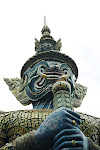
Reflected in the starboard - Reflejada en estribor Explorer 26 MAR 2009 #110

Don't use this image on any media without my permission.
© All rights reserved.

Please NO multigroup invites! Por favor NO invitaciones a multigrupos!

CANON EOS 400D EXIF 1/1000 f/13 75-300 mm ISO 400 + HDR


RECOMENDADO VERLA EN GRANDE - RECOMMENDED VIEW LARGE


Reflected in the starboard - Reflejada en estribor

Estribor es en un barco, y en cualquier medio de transporte en el agua, el lado derecho en el sentido de la marcha o, más exactamente, el lado derecho mirando hacia proa (la parte delantera del barco). El lado izquierdo se denomina babor.

El motivo de que en los barcos se le den a los dos lados nombres diferentes a derecha e izquierda es para evitar confusiones, ya que los tripulantes se mueven hacia adelante y hacia atrás, y el tripulante que mira hacia atrás hablará de la derecha refiréndose a la izquierda, y viceversa. Al denominarse los lados de la forma antes descrita, no hay confusión posible.

La palabra estribor procede del idioma noruego – o mejor el nórdico antiguo, el idioma de los vikingos; stýri = timón, "lado del timón". En las antiguas barcas de remo no existían aún los timones fijos en la parte central posterior, por lo que el timonel usaba un remo con una pala especialmente grande para dirigir la embarcación. Esto lo hacía hundiendo el remo en el agua por el lado derecho de la barca. De ahí que se llamase la derecha el lado del timón.

En la actualidad, en inglés sigue utilizándose la expresión steerboard, aunque ha evolucionado hacia starboard.

La señalización de estribor es el color verde. Durante el día se ven unas placas con estos colores en ambos lados y de noche se encienden las correspondientes luces. De esta forma, un navío que se encuentra a cierta distancia de otro barco puede reconocer fácilmente si éste se acerca o si se aleja.

Todos los objetos que deben numerarse abordo, si están en la banda de estribor, llevan números impares (ejemplo: extintores de incendio, salidas de emergencia, etc.)

Starboard is a boat, and any means of transportation on water, right in the direction of motion or, more accurately, the right side toward the bow (the front of the boat). The left side is called port.

The reason that the boats are given names to two different sides to the right and left is to avoid confusion, since the crew will move forward and backward, and the crew member who looks back on the right speak to refiréndose left, and vice versa. Andalusia called the sides of the manner described above, there is no confusion.

The word starboard comes from the Norwegian language - or rather the old Nordic, the language of the Vikings; štyri = helm, "side of the rudder." In the old rowing boats still no rudders fixed at the central post, so that the helmsman was using a paddle with a blade and especially great to run the boat. We did the paddle plunging into the water on the right side of the boat. Hence we call the right side of the rudder.

At present, English is still used the term steerboard, but has evolved to Starboard.

Signaling starboard is green. During the day they are plates with these colors on both sides and at night those lights are lit. In this way, a ship that is located some distance from another boat can easily recognize if it is approaching or is removed.

All items must be numbered board, if in the starboard band, have odd numbers (eg fire extinguishers, emergency exits, etc.)

PROA - BOW

Don't use this image on any media without my permission.
© All rights reserved.

Please NO multigroup invites! Por favor NO invitaciones a multigrupos!

CANON EOS 400D EXIF 1/1000 f/13 75-300 mm ISO 400 + HDR


RECOMENDADO VERLA EN GRANDE - RECOMMENDED VIEW LARGE


Barca es cualquier construcción cóncava y fusiforme, de madera, metal u otro material, capaz de flotar en el agua y que se utiliza como medio de transporte. Barco, por consiguiente, es un término genérico con el que podemos referirnos tanto a una ligera canoa como a un imponente portaaviones. No obstante, siendo estrictos con esta definición, una balsa formada con maderos o troncos unidos no se considera una embarcación. El hombre ha utilizado las embarcaciones desde hace miles de años, se tienen registro de hace más de 10.000 años en que el hombre utilizaba un tronco debidamente tallado como medio de transporte en las aguas.
El empleo de los remos condicionó la vida a bordo hasta el siglo XVII; uno de los peores castigos que podía recibir una persona era ser condenado a servir en una galera, «para que la vida le sea un suplicio y la muerte un alivio», como sentenció un juez romano en el siglo XVI.

No todos los marineros que estaban en los remos eran condenados. También había hombres libres que se embarcaban por necesidad; eran llamados «de buena gana». Su única diferencia con los condenados consistía en que podían llevar bigote y cabello, que los condenados no tenían, pues eran rasurados y pelados al rape. Además, durante el día, los hombres libres que no estaban remando podían pasear y hablar libremente, pero al caer la noche eran encadenados igual que los condenados.

La disciplina era muy estricta para todos, la comida escasa y mala. El aspecto higiénico resulta inconcebible y difícil de imaginar. Los hombres de mar, oficiales y marineros, no se lavaban, ya que todos sólo llevaban la ropa que tenían puesta, sin embargo los galeotes estaban obligados a mantenerse limpios, debían a primera hora del día asomarse por sobre la borda, de acuerdo a lo que les permitía el largo de la cadena, para despiojarse y limpiar los harapos que llevaban. Debían hacer sus necesidades en su lugar pues nunca eran liberados de su cadena. Los marineros que los vigilaban, cada cierto tiempo les arrojaban un balde de agua para que las inmundicias corrieran hasta la sentina.

Boat is any concave and spindle construction, wood, metal or other material capable of floating in water and used as a means of transport. Ship, therefore, is a generic term that can refer to both a light canoe to a large carrier. However, being strict with this definition, a raft made from wood or logs together is not considered a boat. The man has used the craft for thousands of years, we have record of more than 10,000 years ago that the man used a tree trunk carved as a proper means of transportation on water.
The use of the oars made the life on board until the seventeenth century, one of the worst punishment that a person could receive was to be sentenced to serve in a galley, "so that life would be a torment and death a relief," as a judge sentenced a Roman in the sixteenth century.

Not all sailors who were at the oars were convicted. There were also free men who sail out of necessity, they were called "willingly". Their only difference was that the condemned could take mustache and hair that were not convicted because they were peeled and shaved andalusia monkfish. Moreover, during the day, free men who were not paddling could walk and talk freely, but by nightfall they were chained like convicts.

Discipline was very strict for all, poor food and bad. The hygienic aspect is inconceivable and hard to imagine. The seamen, officers and sailors, not washed, just as all the clothes they wore were made, however the galley, were required to keep clean, due to the first hour of the day looking over the side, as which allowed the length of the chain to clean despiojarse and wearing rags. Should make their needs in their place were never released because of his string. The sailors who were watching them from time to time they threw a bucket of water that had built up to running the bilge.